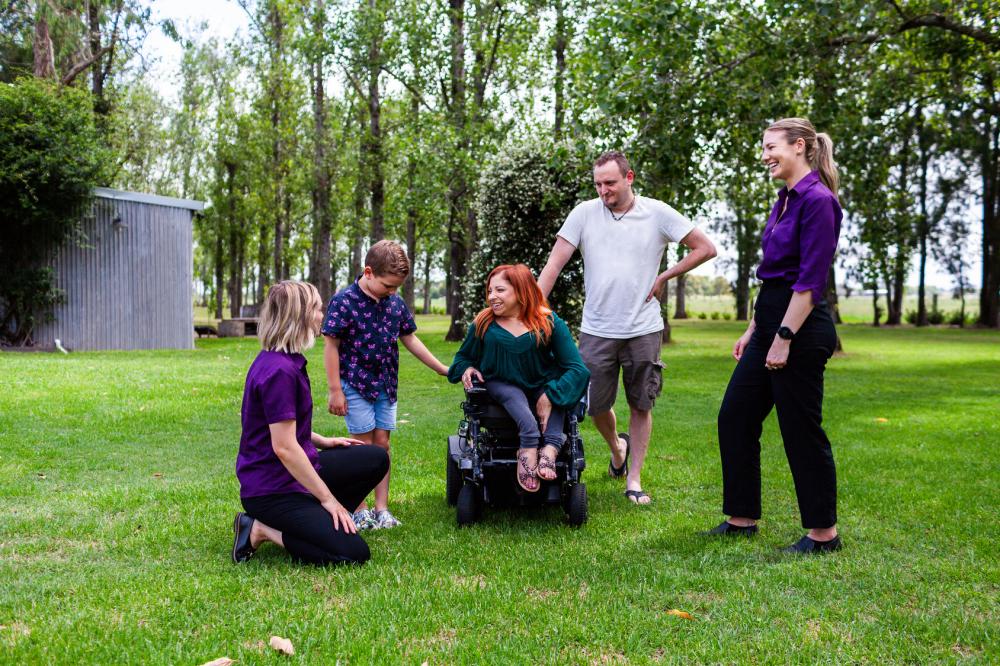
We’ll connect you with Physiotherapists who specialise in acquired brain injuries
Our team can connect you with Physiotherapists with experience working with people with acquired brain injuries.
A Physiotherapist can tailor a therapy program to you and work with you to achieve your goals and improve your day-to-day independence.
Is physiotherapy covered by the NDIS?
Physiotherapy can be funded by the NDIS. You can access physiotherapy if you have the funding category ‘Improved Daily Living’ under the ‘Capacity Building’ budget in your plan.
MyCareSpace can help find you trusted providers that offer physiotherapy in your area.
How physiotherapy can help participants with an acquired brain injury
Acquired brain injuries can affect people in different ways, depending on the type and severity of the injury. To learn more about the causes, symptoms and different types of support available, read our Guide to an Acquired Brain Injury (ABI) or our Disability Knowledge Hub for Acquired Brain Injuries.
Physiotherapy can help NDIS participants with an acquired brain injury improve their physical abilities, maintain mobility and build greater independence in everyday life.
A Physiotherapist experienced in acquired brain injuries can support you with:
- Improving walking, balance and coordination
- Building muscle strength and physical endurance
- Improving mobility and reducing the risk of falls
- Managing muscle stiffness, tightness and pain
- Relearning movement skills affected by a brain injury
- Improving posture and movement control
- Learning safer ways to move between a bed, chair or wheelchair
- Developing personalised exercise programs to support your NDIS goals
Whether you want to walk more confidently, move around your home more easily or participate in community activities, physiotherapy can help you work towards your goals.
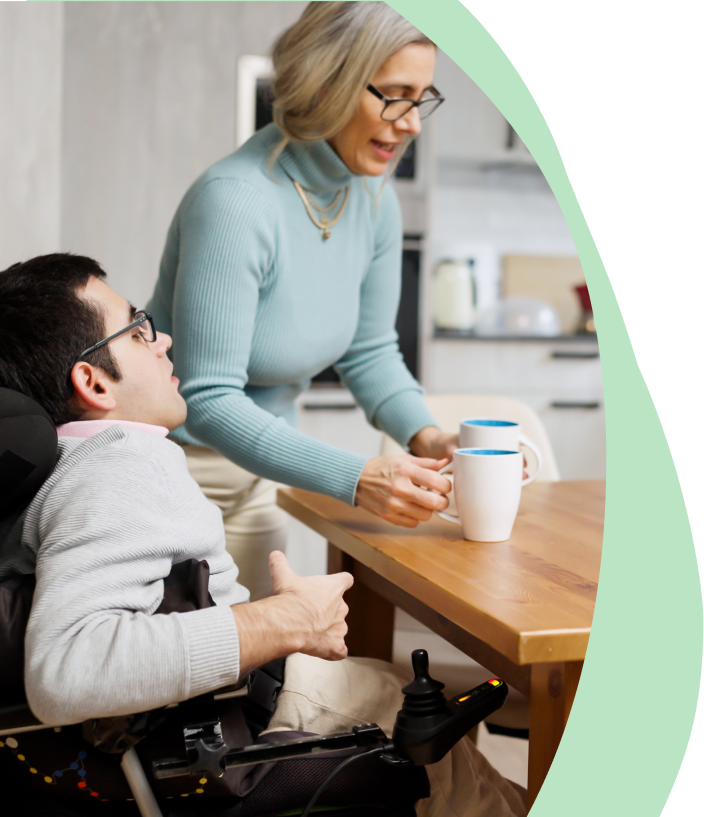
How physiotherapy works
Physiotherapy for people with an Acquired Brain Injury (ABI) focuses on improving movement, physical function and independence.
Your Physiotherapist will assess your abilities and develop a therapy program based on your needs and NDIS goals.
Here are some examples of the types of support an NDIS physiotherapist can provide:
- Walking and mobility training
Improve your ability to walk, move around safely and use mobility aids where needed. - Balance and coordination
Exercises to improve stability, coordination and confidence when moving, helping to reduce the risk of falls. - Strength and conditioning
Build muscle strength and endurance to make everyday activities easier. - Neurological rehabilitation
Practise movement patterns and physical skills affected by a brain injury, such as standing, walking and controlling your limbs. - Muscle stiffness and pain management
Strategies to manage muscle tightness, improve joint movement and reduce discomfort. - Transfers and positioning
Learn safer ways to move between a bed, chair or wheelchair and improve sitting and standing posture. - Home exercise programs
Personalised exercises to help you maintain progress and practise skills between therapy sessions. - Assessments and NDIS reports
Physical assessments, progress reports and supporting documentation to help demonstrate your physiotherapy needs and NDIS goals.
Physiotherapy may take place at a clinic, can be mobile in your home or in the community, depending on your needs and the services offered by your provider.
People living with an Acquired Brain Injury (ABI) may also benefit from Occupational Therapy (OT) alongside physiotherapy. Learn more about how Occupational Therapy can help people with an Acquired Brain Injury.
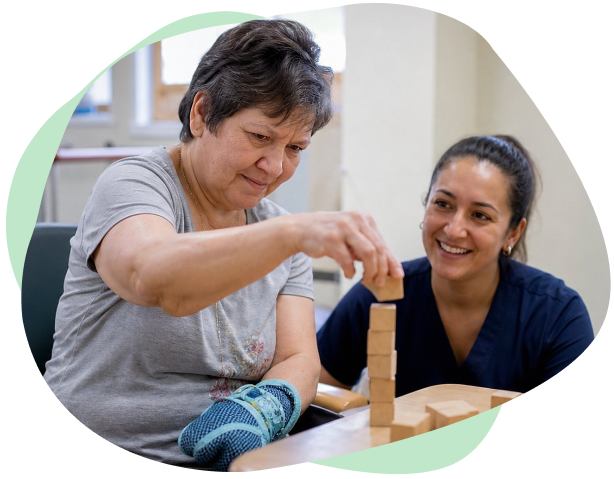
What Is neurological physiotherapy for acquired brain injury?
Neurological physiotherapy is a specialised area of physiotherapy that helps people with conditions affecting the brain, spinal cord and nervous system.
Following an Acquired Brain Injury (ABI), a person may experience difficulties with walking, balance, muscle control or coordination. A neurological physiotherapist can help address these challenges through targeted rehabilitation and movement exercises.
Treatment may include gait retraining, balance exercises, strengthening, practising everyday movements and strategies to manage muscle stiffness or weakness.
Some neurological physiotherapists also work with people who have experienced a stroke or traumatic brain injury (TBI).
When choosing an NDIS physiotherapist, it is helpful to look for someone with experience in neurological rehabilitation and supporting people with acquired brain injuries.
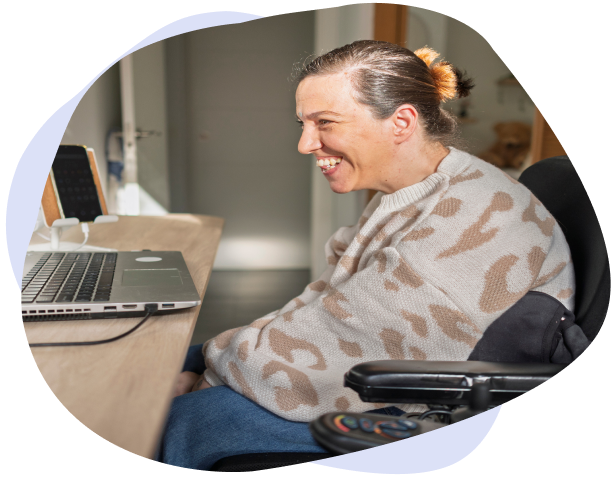
Benefits of physiotherapy
Physiotherapy can make a real difference to the everyday lives of people living with an Acquired Brain Injury (ABI). The benefits will depend on each person's injury, abilities and therapy goals.
Some of the benefits of physiotherapy include:
- Improved walking and mobility
- Better balance and coordination
- Increased muscle strength and endurance
- Reduced risk of falls
- Improved flexibility and joint movement
- Better management of muscle stiffness and pain
- Greater independence with everyday activities
- Increased confidence when moving around
- Improved ability to participate in community and recreational activities
- Maintaining physical abilities and preventing avoidable decline
With the right physiotherapy support, people living with an ABI can work towards greater independence, improved physical function and a better quality of life.
How MyCareSpace works
We’re both an online platform and a helpful team of people in your corner. Rely on us to find top quality providers based on what’s important to you.

Trusted by Over 80,000 Australians
Stress Taken Away
"They took the stress and puzzle of finding compatible providers off our hands and got us started quickly on our NDIS plan."
NDIS Participant’s Family Member

Helped In Days
"I was so tired of finding waiting lists wherever I went. MyCareSpace had me booked into an OT and Physio in days."
Alex, NDIS Participant
Helping Australians Find the Right NDIS Support
NDIS Experts You Can Trust
MyCareSpace connects you with our specialist Connections Team, experienced NDIS experts who understand the system, the pathways, and the real challenges participants and families face.
Our Connections Team has access to a large, Australia wide database of verified NDIS providers. They know how the system works and how to match people with the right supports, in the right location, with availability. By managing the search and connections for you, we remove unnecessary stress and help you move forward with confidence and focus on achieving your goals.
Related Physiotherapy Resources
Explore More on Physiotherapy
How to get Physiotherapy in my NDIS plan
Here are some key tips from on how a physiotherapist can assist you with your goals and how these goals can be included in your NDIS Plan.
How to find a Physiotherapist in the NDIS
If you’re a participant or carer, knowing what physiotherapy is, how it can help, and where to look for the right funding in your NDIS plan can make the process far less stressful.
At MyCareSpace, we specialise in helping people find therapists who actually have availability and the right experience. Let’s break down what you need to know.
What is the Difference Between Occupational Therapy and Physiotherapy in the NDIS?
An NDIS plan will almost always include funding for therapy under its Capacity Building section. This NDIS funding is used to help a Participant reach their goals. Physiotherapy and Occupational Therapy are 2 of the most common NDIS supports funded.
Assistive Technology - How do I get what I need?
Your need for assessments is identified at the start of your NDIS journey. These assessments are completed by allied health professionals, therapists or AT assessors to understand your support needs and provide recommendations.
Is Physiotherapy funded for Cerebral Palsy in the NDIS
An NDIS plan for an adult or child with cerebral palsy will almost always include funding for physiotherapy under its Capacity Building section. This part of NDIS funding is used to help a Participant with cerebral palsy reach their goals of improved mobility and independence. It will also help improve communication and social skills needed for social participation and employment.
All you need to know about Acquired Brain Injuries
Visit our Acquired Brain Injury (ABI) Disability Hub for all NDIS related information.
Frequently Asked Questions
Use the MyCareSpace Directory
Browse Occupational Therapists by Suburb