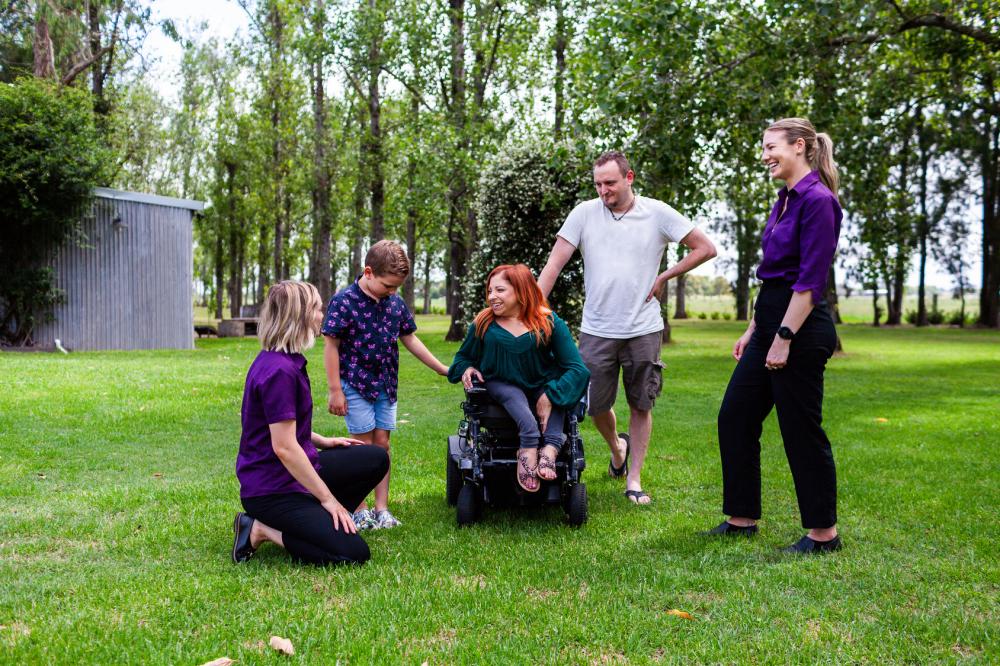
We’ll connect you with Occupational Therapists who specialise in acquired brain injuries
Our team can connect you with Occupational Therapists with experience working with people with acquired brain injuries.
An Occupational Therapist can tailor a therapy program to you and work with you to achieve your goals and improve your day-to-day independence.
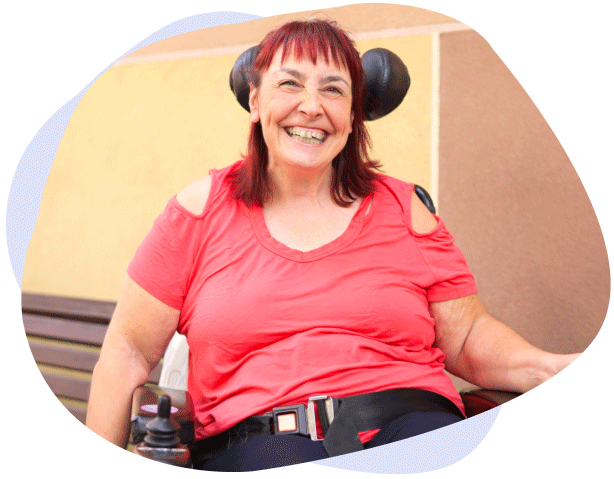
Is occupational therapy covered by the NDIS?
Occupational therapy can be funded by the NDIS. You can access occupational therapy if you have the funding category ‘Improved Daily Living’ under the ‘Capacity Building’ budget in your plan.
MyCareSpace can help find you trusted providers that offer occupational therapy in your area.
How occupational therapy can help participants with an acquired brain injury
An Acquired Brain Injury (ABI) can affect a person's memory, concentration, movement, behaviour and ability to manage everyday tasks. Some people may find it difficult to complete activities that were once easy, such as getting dressed, preparing meals, managing appointments or returning to work.
Occupational Therapy (OT) can help people living with an acquired brain injury develop practical skills, manage everyday challenges and become more independent.
An occupational therapist experienced in acquired brain injury can support you with:
- Improving independence with dressing, showering, cooking and personal care
- Developing strategies for memory, attention, planning and organisation
- Managing fatigue and building daily routines
- Improving hand coordination and fine motor skills
- Managing sensory challenges and changes in emotional regulation
- Building confidence with activities at home and in the community
- Assessing and recommending assistive technology and home modifications
- Supporting a return to work, study or recreational activities
- Providing practical strategies and education for family members and carers
Whether your goal is to manage daily routines more independently, improve memory and organisation or participate more confidently in community activities, occupational therapy can help you work towards your goals.
To learn more about ABI and the supports available, read our guide to Acquired Brain Injury.
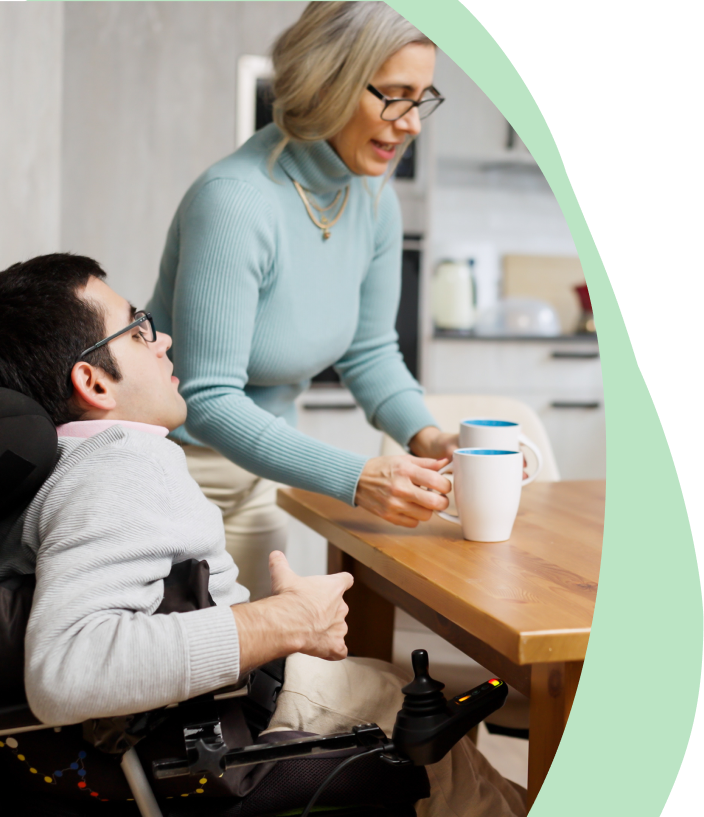
How occupational therapy works
Occupational therapy for people with an Acquired Brain Injury (ABI) focuses on developing everyday living skills, improving independence and finding practical ways to manage the challenges caused by a brain injury.
Here are some examples of the support an NDIS occupational therapist can provide:
- Daily Living Skills
Support with everyday activities such as dressing, showering, preparing meals, shopping and managing household tasks. - Memory and Cognitive Rehabilitation
Practical strategies to help with memory, concentration, planning, problem-solving and organisation. This may include using reminders, calendars and routines. - Fatigue Management
Strategies to manage fatigue, plan activities, take appropriate breaks and conserve energy throughout the day. - Fine Motor Skills and Coordination
Activities to improve hand function, coordination and the ability to complete everyday tasks. - Assistive Technology Assessments
Assessments and recommendations for equipment such as shower chairs, mobility aids, daily living aids and other assistive technology. - Home Modifications and Safety
Assessments to identify safety risks and recommend changes that make moving around and completing activities at home easier. - Community Participation
Support to build confidence and independence with shopping, using public transport, attending appointments and participating in social activities. - Return to Work or Study
Strategies to help manage cognitive, physical and organisational challenges when returning to employment, education or volunteering. - NDIS Assessments and Reports
Functional capacity assessments, progress reports and recommendations that help identify disability-related support needs and inform NDIS planning.
Occupational therapy can take place in a clinic, be mobile home or in the community, depending on your needs and the services offered by your provider.
People living with an ABI may also benefit from physiotherapy for acquired brain injury, which focuses on improving movement, balance, strength and mobility.
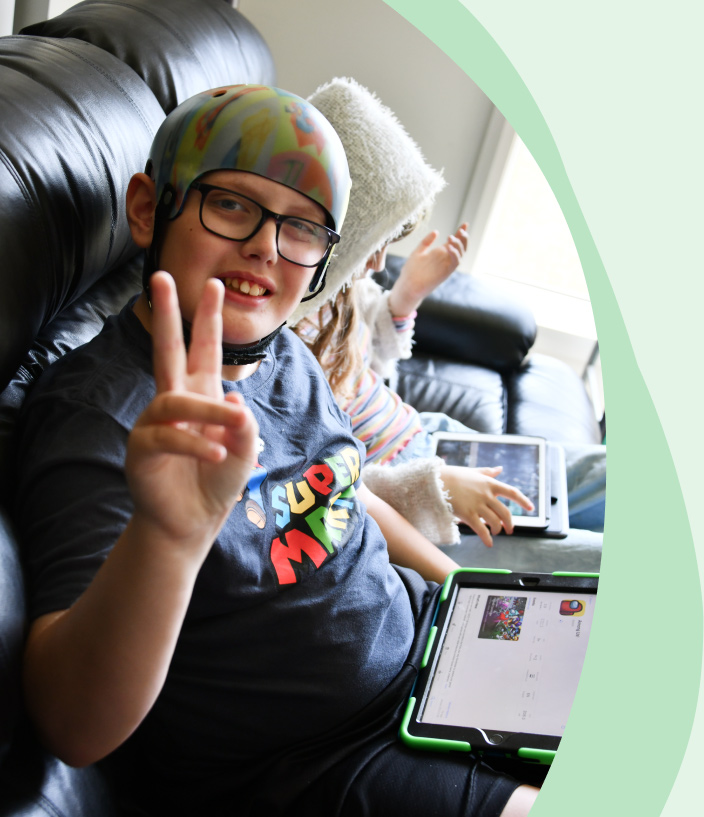
Benefits of occupational therapy
- Greater independence with dressing, showering, cooking and other daily activities
- Improved memory, attention, planning and organisation
- Better management of fatigue and daily energy levels
- Improved fine motor skills and hand coordination
- Practical strategies for managing cognitive and sensory challenges
- Increased safety and confidence at home and in the community
- Access to suitable assistive technology and home modifications
- Greater confidence with work, study and social activities
- Better understanding of support needs for family members and carers
- Improved ability to work towards personal and NDIS goals
An occupational therapist experienced in acquired brain injury can develop a personalised therapy program based on each person's abilities, challenges and goals.
How MyCareSpace works
We’re both an online platform and a helpful team of people in your corner. Rely on us to find top quality NDIS therapy providers based on what’s important to you.

Mobile occupational therapy and home visits for acquired brain injury
For people living with an Acquired Brain Injury (ABI), travelling to therapy appointments can sometimes be difficult. Mobile occupational therapists can provide support in your home, supported accommodation or community settings, making it easier to access regular therapy.
An NDIS mobile occupational therapist can help you develop everyday living skills, improve safety at home, manage memory and cognitive difficulties, and recommend suitable assistive technology or home modifications.
Home visits also allow your OT to assess your everyday environment and develop practical strategies for activities such as cooking, showering, getting dressed and managing daily routines.
Mobile occupational therapy may be particularly helpful for people with reduced mobility, fatigue, cognitive challenges or difficulty accessing transport.
MyCareSpace can help you find a mobile NDIS occupational therapist experienced in acquired brain injury who offers home visits in your area.
Trusted by Over 80,000 Australians
Stress Taken Away
"They took the stress and puzzle of finding compatible providers off our hands and got us started quickly on our NDIS plan."
NDIS Participant’s Family Member

Helped In Days
"I was so tired of finding waiting lists wherever I went. MyCareSpace had me booked into an OT and Physio in days."
Alex, NDIS Participant
Helping Australians Find the Right NDIS Support
NDIS Experts You Can Trust
MyCareSpace connects you with our specialist Connections Team, experienced NDIS experts who understand the system, the pathways, and the real challenges participants and families face.
Our Connections Team has access to a large, Australia wide database of verified NDIS providers. They know how the system works and how to match people with the right supports, in the right location, with availability. By managing the search and connections for you, we remove unnecessary stress and help you move forward with confidence and focus on achieving your goals.
Related Occupational Therapy Resources
Explore More on Occupational Therapy
How to find Occupational Therapy (OT) in the NDIS
If you or someone you care for is living with disability, you may have heard about Occupational Therapy (OT) as part of NDIS supports.
But what exactly is Occupational Therapy, what does it help with, and how do you make sure you have the right funding in your NDIS plan?
How to Achieve my NDIS Goals While Waiting for OT
With an increase in demand for Occupational Therapy, you may find yourself waiting months for your assessment and therapy. You may be spending more time on a waitlist than you’d like. Or you may not be able to access services at all in your area.
What is the Difference Between Occupational Therapy and Physiotherapy in the NDIS?
An NDIS plan will almost always include funding for therapy under its Capacity Building section. This NDIS funding is used to help a Participant reach their goals. Physiotherapy and Occupational Therapy are 2 of the most common NDIS supports funded.
Assistive Technology - How do I get what I need?
Your need for assessments is identified at the start of your NDIS journey. These assessments are completed by allied health professionals, therapists or AT assessors to understand your support needs and provide recommendations.
What is the NDIS Key Worker role in disability?
A keyworker can be an allied health professional (therapist) who has specialist skills in working with children in an early intervention capacity. You could choose a Occupational Therapist.
Frequently Asked Questions
Use the MyCareSpace Directory
Browse Occupational Therapists by Suburb