
What Is Online Speech Therapy and How Does It Work?
If your child has been recommended speech therapy, you might be wondering whether it has to happen in a clinic, and whether online speech therapy can really deliver the same results. The short answer is yes. For many families across Australia, online speech therapy for kids works just as well as in-person sessions, and in some cases produces faster progress.
Here is what you need to know about how it works, what to expect, and whether it is the right fit for your child.
Key Takeaways
- Online speech therapy is as effective as in-person therapy for the vast majority of children and communication needs. For some children, the familiar home environment may even lead to better engagement and faster progress.
- It works differently depending on your child's age. For younger children, the focus shifts to coaching parents to deliver therapy techniques in everyday life, while older children and teens engage more directly with the therapist.
- Through the NDIS, your child can access a specialist speech pathologist online anywhere in Australia. You are not limited to whoever is available locally, and telehealth often means shorter waitlists and better-matched therapists.
What is online speech therapy?
Online speech therapy, also called telehealth speech therapy, is speech pathology delivered via video call rather than in a clinic room. A qualified speech pathologist works with your child (and often with you) through a screen, using the same evidence-based techniques they would use face-to-face.
Speech therapy for children can address a wide range of communication needs:
Peer-reviewed evidence
A 2026 paper in the Journal of Telemedicine and Telecare shows that online speech therapy can be as effective as in-person therapy for children under 12.
How online speech therapy works — by age
The way sessions are structured changes as your child grows. The flowchart below shows how each age group is approached.
Therapist coaches the parent, not just the child
Short bursts of activity, movement breaks, child-led
Child's own interests drive activities and conversation
Can happen in the backyard, garden, or around the house
Video calls feel natural; sessions from bedroom
Can fit school hours; brief parent handover only if needed
How does online speech therapy work for younger children?
For younger children, particularly toddlers and those under five, online speech therapy works a little differently to what you might expect.
Rather than expecting a toddler to sit at a screen and engage with a therapist for 45 minutes, the focus shifts to the parent. The speech pathologist acts as a coach, working with you to build your skills and confidence so that you can deliver therapy techniques throughout your child's day, whether it is at mealtimes, during bath time, or at the park.
This approach is called parent coaching. Children at this age learn best through repeated interactions in their natural environment, not through weekly clinic appointments. When a parent understands the techniques and can weave them into everyday routines, progress often comes faster than it would through traditional clinic-based therapy alone.
Sessions are typically 30 to 45 minutes depending on your child's age and therapy goals, and therapists are skilled at keeping young children engaged, for example by breaking sessions into short bursts of activity, incorporating movement breaks, and following the child's lead rather than expecting sustained attention.
How does online speech therapy work for school-age children?
For primary school-age children, online speech therapy opens up a lot more flexibility in how and where sessions happen.
One of the biggest misconceptions about telehealth speech therapy is that it means sitting at a desk staring at a screen. It does not. Online sessions can happen anywhere: on the trampoline in the backyard, in the garden, or wandering around the house on a scavenger hunt. The therapist adapts the session to wherever the child is most comfortable and engaged.
Good online speech pathologists also take the time to understand what your child is interested in, whether that is Minecraft, footy, dinosaurs, or cooking, and use those interests to drive conversation and activities. A child who is engaged in what they are talking about makes far more progress than one who is bored.
For children who receive support through school or childcare, telehealth speech therapy sessions can sometimes be delivered directly into those settings. This allows educators to be upskilled alongside the child, creating consistency between what happens in therapy and what happens in the classroom or early childhood environment.
How does online speech therapy work for teenagers?
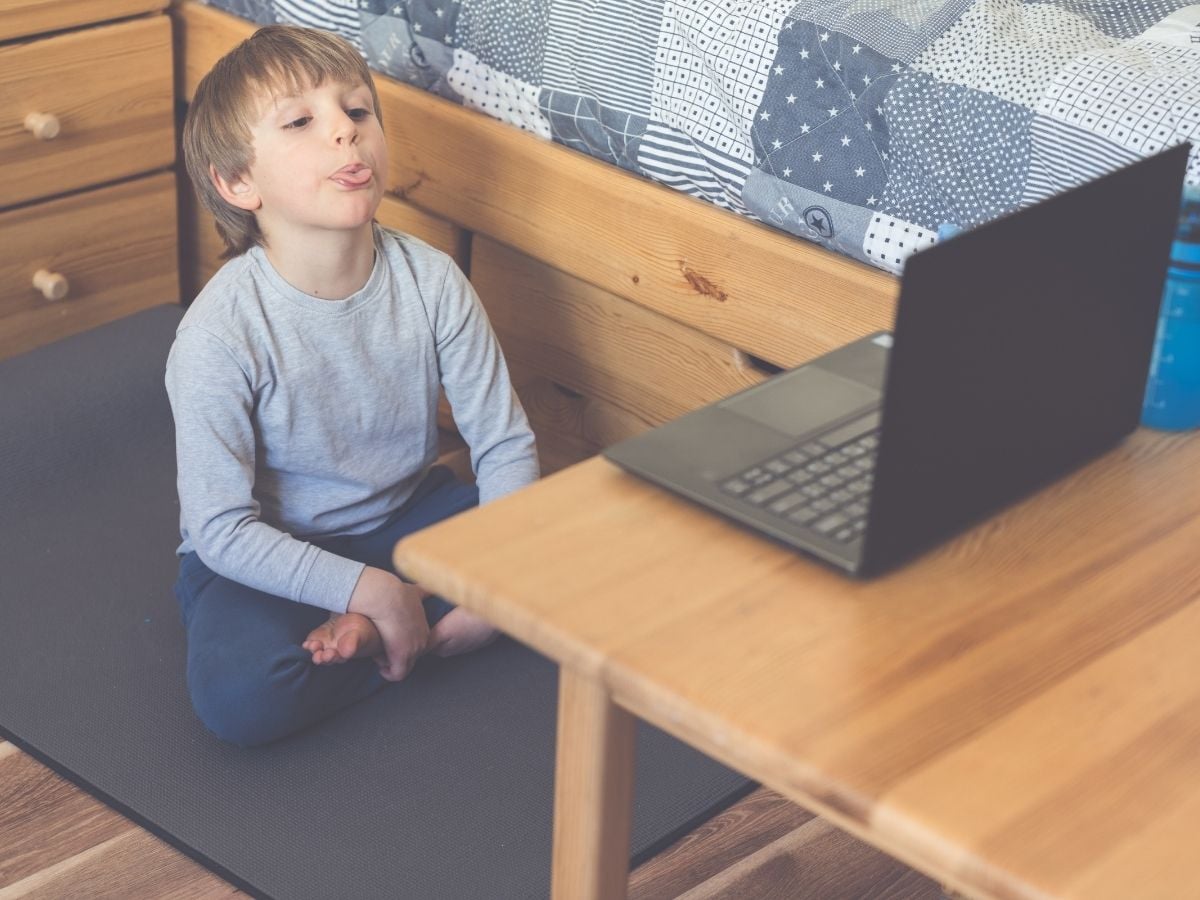
Teenagers are often the easiest group to engage in online speech therapy, because it fits naturally into how they already communicate. Video calls are familiar, sessions can happen from their bedroom, and they do not have to sit in a waiting room or feel self-conscious walking into a clinic.
For high school students, sessions can be scheduled during school hours, with parents only needing to join briefly at the end for a handover if relevant. This reduces disruption to family schedules and gives teenagers an appropriate level of independence in managing their own therapy.
Is online speech therapy as effective as in-person therapy?
This is the question most parents ask first, and the evidence is reassuring.
Research consistently shows that online speech therapy produces outcomes comparable to face-to-face sessions for most children and communication needs. The key factors that determine effectiveness are the same regardless of delivery mode: a skilled therapist, clear goals, consistent practice, and a child who is engaged.
In some cases, speech therapy from home can actually produce better results than clinic-based therapy, because the child is in a familiar, relaxed environment, and the therapist gets a window into the child's real world, using their actual toys, books, and surroundings as therapy materials.
If you are still weighing up whether telehealth is the right choice, read why online therapy should be your first choice for a deeper look at the evidence and practical advantages.
One area where online speech pathology cannot easily replicate in-person delivery is hands-on physical support. For example, some techniques used in feeding therapy or certain articulation approaches require physical proximity. A qualified speech pathologist can advise you on whether your child's specific needs are well-suited to telehealth delivery.
What do sessions actually look like?
Every child is different, and sessions are tailored accordingly. Here is a general picture of what to expect from online speech therapy for kids.
| Element | What to expect |
|---|---|
| Session length | 30 minutes for younger or less engaged children; 45 or 60 minutes for older children with more complex needs |
| Session content | Games, storytelling, reading tasks, conversation practice, scavenger hunts around the house, or structured activities targeting specific speech sounds or language skills — driven by your child's goals and interests |
| Parent involvement | Often encouraged, particularly for younger children. You may be asked to observe, participate, or receive a debrief at the end of each session with strategies to practise during the week |
| Between sessions | Resources and any follow-up tasks such as worksheets, activity guides, or practice prompts, so the work continues between sessions |
For practical advice on setting up and getting the most from appointments, read our guide on making telehealth online therapy work for you.
Who is online speech therapy right for?
Telehealth speech therapy suits most children and most types of communication support. It works particularly well for:
Works well for
- Families in regional or rural areas where access to a speech pathologist is limited or waitlists are long
- Children who find clinic environments anxiety-provoking
- Families with busy schedules who struggle to attend regular in-person appointments
- Children who are more comfortable and engaged at home
- Teenagers who value independence and flexibility
- Children with autism or sensory sensitivities who prefer familiar environments
Worth discussing with a therapist
- Children who need hands-on physical support for specific therapy techniques
- Children with significant attention challenges that make screen-based interaction very difficult
A speech pathologist can help you assess whether telehealth speech therapy is appropriate for your child's specific needs.
Not sure if it is the right fit? Read more about why online therapy is one of the best ways to get your therapy started, including how to overcome common concerns.
How to access online speech therapy through the NDIS
If your child has an NDIS plan, NDIS speech therapy is typically funded under Capacity Building — Improved Daily Living. Both self-managed and plan-managed participants can access online speech therapy through any NDIS provider; you are not limited to providers in your local area.
This means that through the NDIS, your child can access a speech pathologist online who specialises in their specific communication needs, regardless of where you live in Australia. It also means shorter speech therapy waitlists, because you are drawing from a national pool of practitioners rather than whoever happens to have availability near you.
MyCareSpace can help you find a qualified online speech pathologist with current availability and experience supporting children with your child's specific needs.
THERAPY FINDER - FREE SERVICE
LET US FIND YOU A SKILLED SUPPORT WORKER