Your Hub for NDIS Choice, Control, and Clarity
Maximize your independence by taking full advantage of our streamlined service directory and participant resources.

NDIS Plan Manager Panel 2027: What Families Need to Know
NDIS plan management is changing. Learn what is changing, how it will affect your plan, the key dates to April 2028 and how your family can prepare.
Learn more
New NDIS Laws 2026
This guide explains what's actually changing, when it happens, and what it means for you or your family member, whatever stage of life they're at. Nothing in your current plan changes today.
Learn more
How to make your NDIS funding go further
Want your NDIS therapy funding to last longer? Learn how different therapy options can affect your budget and where you may be able to save.
Learn more
The benefits of parent participation in online occupational therapy
If your child has been recommended occupational therapy, you might assume your role is mostly to sit in the waiting room. Think again. For many families, the parent isn't a bystander in the session, they're one of the most important parts of it.
Learn more
Lightening the mental load of managing your supports
The mental load of managing NDIS supports can quietly build up and become overwhelming over time. You don’t have to carry it alone. Support Coordination, Plan Management and simple systems can help lighten the load.
Learn more
The NDIS I-CAN Scoring Manual is Public: Here’s What It Actually Says
This article is here to help you understand how the I-CAN assessment and scoring process works and it is not an endorsement of the tool, the scoring model, or the wider reforms it sits inside.
Learn more
Orientation and Mobility Specialists and the NDIS: What They Do and New Dedicated Pricing Explained
This guide explains what an Orientation and Mobility Specialist does, how they help people who are blind or have low vision become more independent, and how their services can be funded through the NDIS. It also covers assessments, NDIS pricing, evidence needed for funding, and how to find a qualified specialist.
Learn more
New Update: NDIS Pricing Arrangements and Price Limits - July 2026
This resource explains what has changed, what is new, and what it means for you. It is written for participants, families and providers.
Learn more
Insurance for Aged Care Providers
Whether you provide in-home aged care, short term respite, or long term residential care, your company faces real risks every day. Find out about the insurance cover you need.
Learn more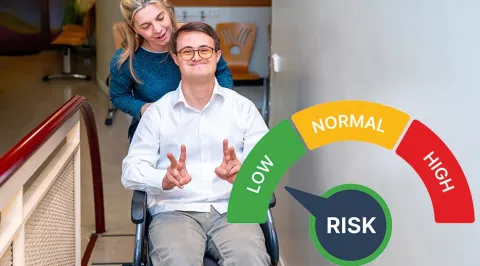
Disability Support Workers Insurance
Get affordable NDIS support worker insurance from $33/month. Compare public liability & professional indemnity cover. Instant quotes for disability workers.
Learn more
Latest NDIS Support Worker Pay Rates
Your NDIS support worker is paid hourly. The NDIS support worker rates can depend on: The time of the day, Day of week or whether it's a holiday - Weekday, Saturday, Sunday, Public Holiday and Location.
Learn more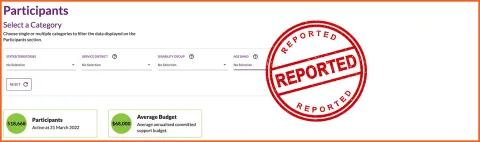
NDIS DATA TOOL - getting the participant information you need
The NDIS Data tool is a well-kept secret and probably the most valuable tool an NDIS provider can use
Learn more
Breaking News - New 2024 Pricing Arrangements and Price Limits (Price Guide)
Changes to the 2024 Price Guide
Learn more
The Latest NDIS price guide and support catalogue
Search the latest NDIS Support Catalogue (NDIS Price List) and Price Guide quickly and easily
Learn more

How to Write an NDIS Carer Statement Template and Guide
A Carer Statement is a written letter by someone who cares for or is involved in supporting an individual living with a disability.
Learn more
How Online Speech Therapy Fits Into Busy Family Life
If you have been putting off speech therapy because the logistics feel impossible, such as the drive across town, the waiting room with a tired toddler, the appointment you have to leave work early for, online speech therapy might be the thing that finally makes it workable.
Learn more
What Is Online Speech Therapy and How Does It Work?
If your child has been recommended speech therapy, you might be wondering whether it has to happen in a clinic, and whether online speech therapy can really deliver the same results. The short answer is yes. For many families across Australia, online speech therapy for kids works just as well as in-person sessions, and in some cases produces faster progress.
Learn more
My Aged Care - An overview in 2026
If someone has just told you to "look into aged care" and you have no idea where to begin, this is the page for you. No jargon, just the big picture.
Learn more
What does that mean in My Aged Care?
Aged care is full of jargon, acronyms and official-sounding names. Here's what they all actually mean, in everyday language. Keep this handy as you go.
Learn moreFeatured Resources
NDIS Plan Manager Panel 2027: What Families Need to Know
NDIS plan management is changing. Learn what is changing, how it will affect your plan, the key dates to April 2028 and how your family can prepare.
Learn moreNew NDIS Laws 2026
This guide explains what's actually changing, when it happens, and what it means for you or your family member, whatever stage of life they're at. Nothing in your current plan changes today.
Learn moreHow to make your NDIS funding go further
Want your NDIS therapy funding to last longer? Learn how different therapy options can affect your budget and where you may be able to save.
Learn moreThe benefits of parent participation in online occupational therapy
If your child has been recommended occupational therapy, you might assume your role is mostly to sit in the waiting room. Think again. For many families, the parent isn't a bystander in the session, they're one of the most important parts of it.
Learn moreLightening the mental load of managing your supports
The mental load of managing NDIS supports can quietly build up and become overwhelming over time. You don’t have to carry it alone. Support Coordination, Plan Management and simple systems can help lighten the load.
Learn moreThe NDIS I-CAN Scoring Manual is Public: Here’s What It Actually Says
This article is here to help you understand how the I-CAN assessment and scoring process works and it is not an endorsement of the tool, the scoring model, or the wider reforms it sits inside.
Learn more