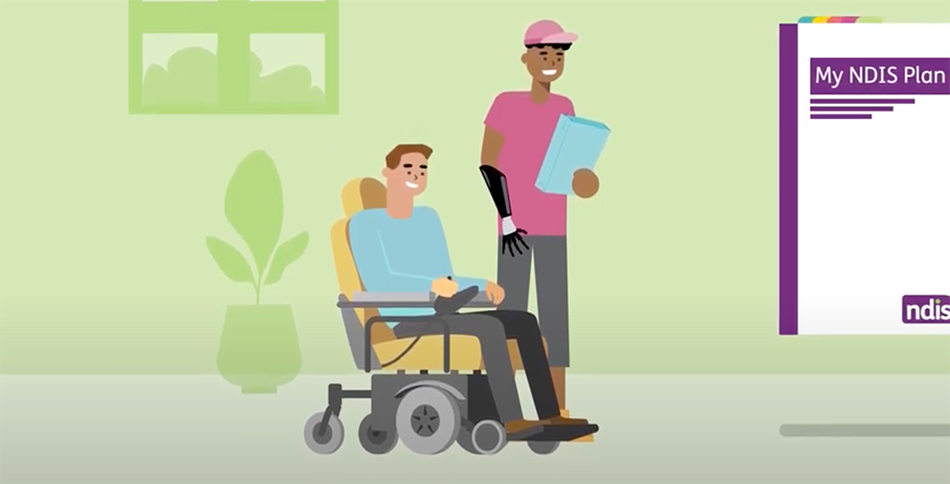
Self-management means you handle NDIS claims, provider payments and financial records. Plan management means a registered plan manager handles those tasks for the budgets they manage. You still choose your supports and providers, but the payment process and price rules differ.
Last updated:
What do you do when you self-manage NDIS funding?
You, your plan nominee or your child’s representative take responsibility for the financial side of the plan.
This includes:
- checking invoices,
- making claims,
- paying providers and
- tracking available funding.
After receiving a support, you can:
- claim the funding and then pay the provider, or
- pay with your own money and claim reimbursement.
You do not always have to pay out of pocket first. Allow for payment processing and agree on payment terms with providers.
The NDIA’s self-management guide recommends a separate bank account to make transactions easier to track. The account must belong to the person responsible for self-managing.
You can also directly employ support staff, but this brings employer responsibilities such as payroll and workplace obligations.
Self-management does not mean doing everything alone.
Trusted people can help you organise records and understand your plan. Ask your NDIS contact about assistance to build self-management skills, rather than assuming every bookkeeping or software expense is claimable.
What does a plan manager do, and who pays their fees?
A plan manager:
- claims from the NDIA,
- pays providers and
- keeps financial records for your plan-managed budgets
- helps you understand spending
- provides a monthly report showing what you have used and what remains
If your NDIS plan includes plan-management funding, you need to choose an ndis plan manager before you can pay for any supports. This funding is separate from funding for your other supports and can only pay for plan management. This is called a 'stated support'.
Your plan manager must be registered with the NDIS Commission and recorded as a “my provider”. The NDIA’s plan-management guidance explains these arrangements.
Plan management reduces financial administration; it does not remove your responsibilities. You still authorise claims, check reports and make sure spending is within your budget and for allowed NDIS supports consistent with your plan. A manager cannot guarantee that every invoice will be paid or approve extra funding.
Can both options use unregistered providers?
Yes. Self-managed and plan-managed funding can both be used to pay registered and unregistered providers. This can help you keep a suitable therapist or support worker who is not NDIS-registered.
However, some services require registered providers regardless of your management choice. Examples include specialist disability accommodation and specialist behaviour support. Check the NDIS Commission’s registration requirements for the service you need. These services are then 'agency-managed' and the NDIA pays registered providers directly.
You still choose providers, but cannot use unregistered providers for those budgets.
If you are plan managed, you can still have agency-managed parts in your NDIS plan.
How do NDIS price limits affect your choice?
NDIS maximum prices apply to plan-managed and agency-managed funding. You can negotiate a lower price, but providers cannot charge above the applicable maximum.
Those maximum prices do not apply to self-managed funding. You can negotiate different rates, including higher ones, but your budget does not increase to cover them. Paying more may leave fewer hours of support available.
For example, before moving a self-managed therapy budget to plan management, check your therapist’s rate against the applicable limit. Anything over the NDIS price will need to be paid from your pocket.
What NDIS records should you keep?
Self-managers need to keep invoices, receipts, support dates and descriptions, payment records and any relevant payroll records.
If you are plan managed, the plan manager keeps these financial records and copies of your service agreements - provided you gave them to your plan manager.
The new legislation lists retention periods of three years for participants, five for nominees and seven for providers. The NDIA’s practical self-management guide still recommends five years. Official guidance is being updated, so check what applies before discarding records. See our resource about What records do I need to keep in the NDIS?
Is support coordination the same as plan management?
No. A support coordinator helps you:
- understand your plan
- find and organise services
- resolve support problems and
- build skills to coordinate your own supports
A plan manager:
- pays your service providers
- stores your service agreements
- helps you understand your NDIS plan and what you can and can't spend your funding on
You can have both if your plan includes the relevant funding. You can also self-manage and use a funded support coordinator.
Support-coordination funding is based on your needs; it is not automatically included because you choose plan management.
For example, a support coordinator might help arrange a new therapist, while the plan manager pays that therapist’s invoices. You make the decisions about your supports.
Which plan management option suits you?
Self-management may suit you if you want direct payment control and have the time, confidence and support to manage claims and records. Plan management may suit you if you want provider choice with less financial administration. Compare managers’ communication, reporting and invoice processes before choosing.
You can request a management-type change during your plan, but the NDIA must agree and update it. This is different from replacing an existing plan manager, which involves a handover and updating the provider relationship.
Need help finding a plan manager?
MyCareSpace’s free Connections service can help you find plan-manager options, as well as verified support workers and therapists. MyCareSpace is not a plan manager and does not process claims or approve plan changes.