Can I buy second hand disability equipment with my NDIS funds?
Buying second-hand disability equipment can be a great way to make your NDIS funding go further. From wheelchairs and mobility scooters to hospital beds and other assistive technology, there are plenty of options available at a fraction of the cost of buying new.
You might also have disability equipment you no longer need and be wondering where or how to sell it.
In this guide, we explore where to buy and sell second-hand disability equipment in Australia, what to check before making a purchase, and the NDIS rules around buying and selling used assistive technology.
What types of second hand disability equipment can you buy?
There are many types of second-hand disability equipment available in Australia, often at a lower cost than buying new.
Some commonly available items include:
- Second-hand wheelchairs: Manual wheelchairs, electric wheelchairs and specialised seating.
- Used mobility scooters: Three-wheel and four-wheel mobility scooters for getting around the community.
- Second-hand hospital beds: Electric adjustable beds, pressure care beds and disability beds.
- Used disability hoists: Patient lifters, standing hoists and transfer equipment.
- Second-hand walkers and mobility aids: Rollators, walking frames, crutches and other mobility equipment.
- Bathroom and toilet aids: Shower chairs, commodes and toilet frames.
- Second-hand disability equipment for children: Paediatric wheelchairs, standing frames, specialised seating and adaptive equipment.
Before purchasing, check that the equipment is safe, in good working condition and suitable for the person who will be using it. An occupational therapist can help assess whether more complex equipment is appropriate.
Where can I buy and sell second hand AT?
Below find a collection of options where you are able to buy or sell disability equipment.
There are a number of Facebook groups that help people sell, swap and buy second-hand disability equipment:
- Second-hand equipment for children with disability in Australia
- Disability Equipment Australia for Sale or Swap
- Buy and Sell Disability Products Australia - new and used
- Disability and Special Needs Equipment Australia - Buy, Sell Swap or Free
The following Assistive Technology websites also offer the ability to buy or sell second-hand equipment:
- ebility - buy and sell
- Mobile Independence
- TAD Equip Second Hand Equipment
- Trading Post - Mobility Aids
General Trading Websites:
If you are self-managed or plan managed, you can use your NDIS funds to buy second-hand equipment so long as:
- You can answer YES to the "Can I buy it with my NDIS funding?" - see our resource titled "What can I spend my NDIS funding on?"
- You have a receipt and the details of the transaction. If the transaction is made in person, type up the receipt with the seller's details, date, item description and cost and have the seller sign it. If the transaction was made online, keep a copy of the email or even a screenshot of the transaction.
Tips for buying Second Hand Assistive Technology Disability Equipment
Buying second-hand disability assistive technology (AT) can save money, but it's crucial to ensure safety, suitability, and functionality. Here’s a comprehensive guide to help you buy wisely:
1. Know What You Need
Before buying, make sure you know:
- Record the model and make of the item you need so that you can search for it.
- Specific features required (e.g., seat width for a wheelchair, lift capacity for a hoist).
- Whether the item needs to be prescribed by an OT or allied health professional (especially for NDIS funding), like a wheelchair.
- Whether the person using it has changing needs (e.g., progressive conditions).
- Tip: If unsure, consult an occupational therapist (OT) to assess suitability.
2. Inspect for Condition and Safety
Ask or check for:
- Signs of wear or damage: rust, frayed cables, cracked parts.
- Functionality: all buttons, motors, or mechanisms should work properly.
- Cleanliness: especially for hygiene-related items (toilet/shower chairs).
- Battery health (for powered devices): check runtime or if it holds charge.
- Weight limit & dimensions: must match user needs. If possible, test it in person or ask for a video demo before buying online.
3. Ask About Service History
- Has it been regularly maintained or repaired?
- Any manuals or accessories included?
- If powered: has the battery/motor ever been replaced?
- How old is the item?
- Tip: Avoid equipment that's older than 5–7 years, unless it’s well-maintained and simple (like walkers or rails).
4. Check for Compatibility
- Make sure it fits your environment:
- Will it fit through doorways or around tight corners?
- Is it compatible with other equipment (e.g., a lift chair with a specific hoist)?
- Can it be transported/stored easily?
5. Check Warranty, Insurance & Return Policy
Most second-hand items are sold “as-is”, but some suppliers offer limited warranties.
If you're buying from a business (not an individual), ask about:
- Return/refund policy
- Short-term warranty
- Insurance for delivery
6. Compare Prices
Look at similar listings on platforms like eBility, Gumtree, or AT Australia.
Prices can vary a lot, so ensure you're paying a fair amount relative to condition and age.
7. Check NDIS Rules (if relevant)
If you're self- or plan-managing through the NDIS, you’ll need:
- A receipt or invoice (must include item details, seller info, date, and amount).
- Confirmation the item is safe and appropriate (usually via an OT or therapist note).
- Keep all documentation for audits or plan reviews.
8. Involve a Health Professional
Always a good idea if:
- The item is for a complex physical condition.
- You’re buying something electronic or medical (e.g. CPAP machines, power chairs, hoists).
- You’re unsure about fit, comfort, or ongoing suitability.
9. Sanitise and Maintain After Purchase
- Clean thoroughly before first use.
- Check bolts, screws, and brakes regularly.
- Replace worn-out accessories (e.g., cushions, pads, straps).
10. Make sure you have the documentation you need
Self managed and Plan managed participants need to make sure they get a receipt with:
- seller details
- item description
- price
- proof of payment - copy of the item in your bank statement to show you have paid for it - a plan manager cannot reimburse you without this
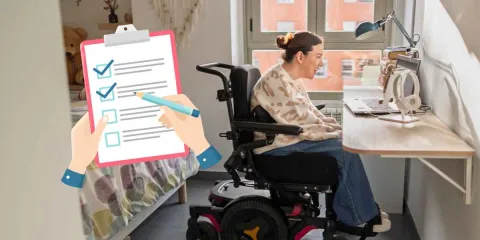
Here is a buying checklist for you
- Check functionality and safety
- Confirm size and weight capacity
- Ask about usage history and age
- Get proper documentation
- Involve a therapist for complex needs like wheelchairs
- Compare similar items to assess value
- Clean and inspect thoroughly before use
- Proof of payment: make sure you have a receipt that shows the details of the sale or the payment made from your bank. If purchased from a business, an invoice is required too.
How to Sell Second-Hand Disability Equipment in Australia
If you have disability equipment that you no longer need, selling it second-hand can be a great way to recover some of the cost while helping someone else access affordable mobility aids and assistive technology.
Whether you're selling a wheelchair, mobility scooter, hospital bed, walking frame or other disability equipment, here are some tips to help you sell it safely and successfully.
1. Check the Equipment Is Safe and in Good Condition
Before listing your equipment for sale, make sure it is clean, working properly and safe to use.
Check for signs of damage, worn parts or mechanical problems. For powered equipment, such as electric wheelchairs and mobility scooters, check the battery, charger and controls.
For more complex equipment, consider having it inspected or serviced by a qualified technician before selling.
2. Take Clear Photos and Write an Accurate Description
Good photos and a detailed description can help buyers decide whether the equipment meets their needs.
Include:
- The brand, model and age of the equipment
- Its condition and any damage or wear
- Measurements, weight capacity and adjustable features
- Any accessories included
- Service history, repairs and maintenance records
- Whether collection or delivery is available
Be upfront about any faults or missing parts so buyers know exactly what they're purchasing.
3. Set a Fair Price
Research similar second-hand disability equipment to get an idea of current resale prices. Consider the original purchase price, age, condition, remaining warranty and any recent servicing.
Specialised equipment may have a smaller pool of buyers, so be realistic about pricing.
4. Choose Where to Sell Your Equipment
There are several places to advertise used disability equipment in Australia, including:
- eBility: A marketplace specialising in buying and selling disability equipment.
- Facebook Marketplace: Useful for finding local buyers and arranging collection.
- Disability equipment buy and sell Facebook groups: Groups where people advertise used assistive technology and mobility aids.
- Gumtree: A general marketplace where you can list wheelchairs, mobility scooters and other equipment.
You can also contact local disability equipment suppliers to ask whether they offer trade-ins, consignment sales or second-hand equipment services.
5. Provide Service Records and Arrange a Safe Sale
If you have the original manual, purchase receipt, service records or warranty information, make these available to potential buyers.
For larger equipment, such as hospital beds or hoists, consider how it will be safely dismantled, transported and installed.
Buyers should be encouraged to check that the equipment is suitable for their needs, particularly where specialised seating, positioning or powered mobility equipment is involved.
Can I Sell Disability Equipment Purchased with NDIS Funding?
Yes. If you own disability equipment purchased with NDIS funding, you can generally sell it, give it away or trade it in when you no longer need it.
The NDIS confirms that participants can keep, sell, donate or trade in assistive technology that has been replaced. However, if you get rid of equipment that you still need, the NDIS may not fund a replacement.
Equipment that is rented, borrowed or owned by a provider cannot be sold by the participant.
If you're unsure about the ownership of your equipment or how selling it might affect your NDIS funding, speak with your NDIS contact before listing it for sale.
You can read more in the official NDIS guide to replacing and managing assistive technology.
Read other Assistive Technology resources
Sources: